
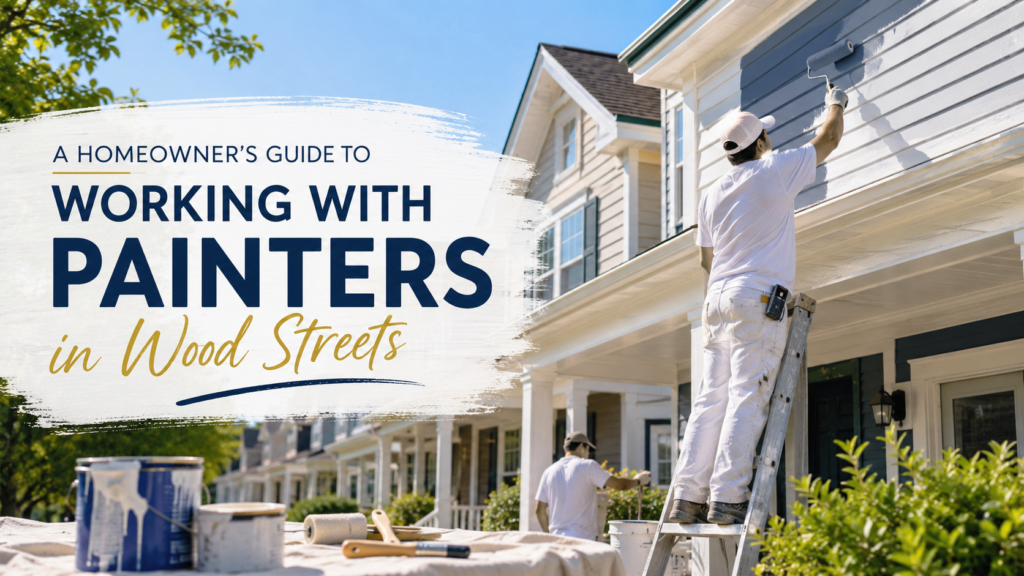
Wood Streets is known for its distinctive collection of well-established homes, many featuring wood siding, detailed trim work, and architectural character that sets the neighborhood apart. Painters Wood Streets home in an area like this often involves considerations that go beyond a typical repaint, from working around older wood surfaces that may need specific preparation techniques to preserving architectural details that give these homes their character. Understanding what’s involved in a quality painting project helps homeowners plan effectively and recognize thorough, careful work.
Why Older Wood Surfaces Need Specialized Preparation
Homes with wood siding or trim, common throughout established residential neighborhoods, require preparation techniques that differ somewhat from painting stucco or newer composite materials. Wood is more susceptible to moisture absorption, expansion and contraction with temperature changes, and, over time, deterioration from sun exposure and past paint layers that may not have bonded well.
Proper preparation for wood surfaces typically includes:
- Inspecting for rot or damage, particularly around window sills, trim edges, and areas where water tends to collect
- Scraping loose or peeling paint down to a stable layer, since painting over failing paint layers simply masks the problem temporarily
- Sanding rough or uneven areas to create a smooth surface for the new paint to adhere to properly
- Spot-priming bare wood to seal the surface and improve paint adhesion, particularly important for wood, which absorbs primer and paint differently than other exterior materials
- Caulking gaps and joints where wood pieces meet, preventing moisture intrusion that can lead to rot over time
Preserving Architectural Detail During Painting
Homes with distinctive trim work, decorative elements, or multiple architectural features benefit from a more methodical painting approach than a simple, single-color application. This often involves carefully masking and separately painting trim, fascia, and decorative elements, sometimes in complementary or contrasting colors that highlight architectural details rather than flattening them into a single uniform surface. Attention to clean lines where different colors meet, along with careful brush work around detailed molding or trim, makes a meaningful difference in how polished the finished project looks.
How Riverside’s Climate Affects Painting Wood Exteriors
Riverside’s hot, dry summers and intense UV exposure present specific challenges for wood exteriors. Sun exposure over time causes wood to dry out and can lead to paint failure if the wrong products or preparation techniques are used. Selecting paint products formulated for UV resistance and flexibility, ones that can expand and contract with the wood as temperatures fluctuate, helps prevent the premature cracking and peeling that’s more common with lower-quality products in this kind of climate.
Common Questions About Painting Wood-Sided Homes
How often does wood siding need to be repainted?
This varies based on sun exposure, the quality of the previous paint job, and how well the wood was maintained beforehand, but wood exteriors in a climate like Riverside’s often benefit from repainting every five to eight years, with some sun-exposed areas needing attention sooner than shaded sides of the home.
What’s the best way to address peeling paint on old wood trim?
Peeling paint needs to be scraped back to a stable surface before new paint is applied. If the peeling is extensive or reveals significant wood damage underneath, that damaged wood typically needs to be repaired or replaced before painting proceeds, since new paint won’t adhere properly or last on compromised wood.
Should wood siding be primed before every repaint?
Bare or repaired wood generally needs priming to ensure proper adhesion and even color absorption. If the existing paint layer is in good condition and simply needs a fresh coat, priming the entire surface may not be necessary, though spot-priming any repaired or bare areas remains important.
How can homeowners tell if wood trim has underlying rot?
Signs of wood rot include a soft or spongy feel when pressed, visible discoloration, or paint that continues to bubble and peel in the same spot despite repeated touch-ups. Addressing rot before painting is essential, since paint applied over compromised wood will fail quickly and won’t address the underlying structural issue.
The Value of a Detailed Color and Product Consultation
Homes with architectural character often benefit from a thoughtful approach to color selection, one that considers the home’s existing design elements, the surrounding streetscape, and how different colors will interact with trim, doors, and other features. Beyond aesthetics, product selection matters too, since higher-quality exterior paints formulated for wood surfaces generally offer better flexibility and UV resistance, both of which directly affect how long a paint job lasts in a sun-intensive climate.
Matching New Paint to a Home’s Existing Character
For homes in a neighborhood known for its distinctive character, matching new paint choices thoughtfully to a home’s existing architectural style helps preserve the overall charm of the street. This might mean researching colors that were historically common for a home’s particular architectural period, or simply choosing a palette that feels cohesive with the trim, roofline, and other fixed design elements already in place. Taking time to consider these details before finalizing a color scheme tends to result in a finished project that feels intentional rather than mismatched to the home’s existing character.
The Role of Caulking in Long-Term Wood Protection
Caulking might seem like a minor detail compared to the paint itself, but it plays an outsized role in protecting wood surfaces over time. Gaps where trim meets siding, where boards butt against each other, or around window and door frames are common entry points for moisture if left unsealed. A quality caulking product, applied to clean, properly prepared joints before painting begins, helps keep water from working its way behind the painted surface, where it can cause the kind of hidden rot that’s much more expensive to address than a visible surface issue caught early. Because caulk itself ages and can lose flexibility over the years, inspecting and refreshing it during each repainting cycle is a detail that meaningfully extends the life of the surrounding woodwork.
Signs a Wood Exterior May Need Attention
A few visual cues typically indicate that a wood-sided home is due for repainting, including visible peeling, cracking, or flaking paint, particularly on surfaces that receive the most direct sun exposure, a faded or chalky appearance where the original color has become noticeably dull, and any signs of exposed, unpainted wood, which is vulnerable to moisture damage and accelerated deterioration if left unprotected for an extended period.
Paint Versus Stain for Wood Exteriors
Homeowners with wood siding or trim sometimes weigh paint against stain as a finishing option, and each has distinct characteristics worth understanding. Paint forms an opaque protective film over the wood surface, offering strong protection against moisture and UV exposure while completely covering the natural wood grain in favor of a solid color. Stain, by contrast, penetrates into the wood fibers rather than sitting on top as a film, allowing the natural grain and texture to remain visible while still providing a degree of moisture and UV protection, though generally requiring more frequent reapplication than paint. The right choice often comes down to whether a homeowner wants to preserve the wood’s natural appearance or prefers the broader color range and generally longer-lasting protection that paint provides.
Seasonal Timing for Exterior Projects
In a climate like Riverside’s, timing an exterior painting project around the calendar can meaningfully affect the outcome. Extremely high summer temperatures can cause paint to dry too quickly on the surface before it has properly bonded, sometimes leading to a phenomenon where the paint looks dry to the touch but hasn’t cured properly underneath. Many painting professionals prefer scheduling exterior work during milder months, or during cooler parts of the day even in warmer seasons, to give paint the time it needs to cure evenly and achieve full adhesion. Wind and dust are also worth considering, since airborne debris settling into wet paint can affect the smoothness of the finished surface.
Working Around Landscaping and Mature Trees
Established neighborhoods often feature mature landscaping, including trees and shrubs planted close to the home, which adds a layer of logistical planning to an exterior painting project. Careful protection of landscaping during preparation and painting helps avoid damage from scraping debris, overspray, or foot traffic near delicate plantings. In some cases, minor trimming of branches or shrubs that are in direct contact with siding may be necessary, both to allow proper access for painting and to prevent ongoing moisture retention against the wood surface, which can contribute to the kind of deterioration that shortens a paint job’s lifespan.
What Careful Workmanship Looks Like
A methodical approach to painting an older or architecturally detailed home typically includes a thorough inspection for wood damage before any painting begins, careful attention to preparation steps that are easy to rush but significantly affect long-term results, and precise application around trim, molding, and architectural details that give a home its character. For homeowners in Wood Streets evaluating painters in Wood Streets for an upcoming project, asking specifically about wood preparation techniques and product selection for sun exposure provides useful insight into how a company approaches the details that make the biggest difference in a lasting, quality paint job.